
COUTURE
Member
I would like to present a model that is, to date, truly unique and virtually impossible to reproduce.
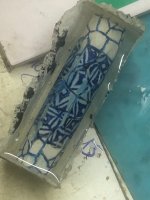
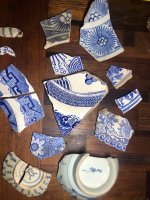
This exceptional pen incorporates fragments of Chinese porcelain dating from the 13th to the 17th century. These pieces, which can be regarded as genuine archaeological remnants, were entrusted to me by a close friend.
They are found on certain beaches in northern Madagascar, occasionally revealed after cyclones or heavy swells, and then collected by local fishermen.
These fragments have been examined by specialists, suggesting that they originate from ancient shipwrecks resting on the seabed for several centuries.
They bear witness to a fascinating period, predating the arrival of Europeans on the route to the Indies — a time when Austronesian peoples were already part of a vast trade network linking China, the East African coast, and the Arabian Peninsula.
This pen therefore carries a rare and profound history within it. This porcelain lay beneath the sea for more than 400 years
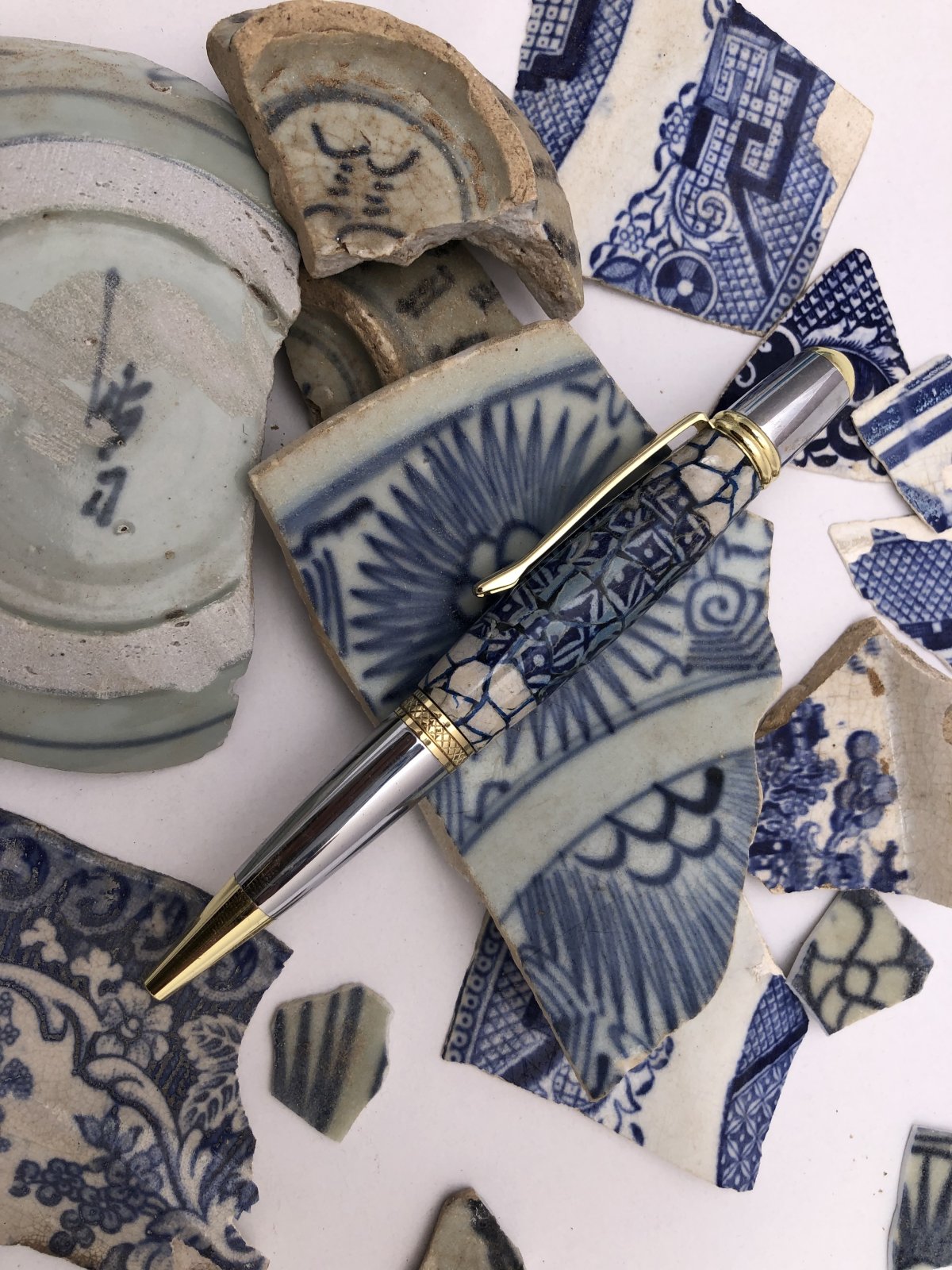 It is not merely a writing instrument, but a truly unique piece, imbued with memory and meaning.
This exceptional pen incorporates fragments of Chinese porcelain dating from the 13th to the 17th century. These pieces, which can be regarded as genuine archaeological remnants, were entrusted to me by a close friend.
They are found on certain beaches in northern Madagascar, occasionally revealed after cyclones or heavy swells, and then collected by local fishermen.
These fragments have been examined by specialists, suggesting that they originate from ancient shipwrecks resting on the seabed for several centuries.
They bear witness to a fascinating period, predating the arrival of Europeans on the route to the Indies — a time when Austronesian peoples were already part of a vast trade network linking China, the East African coast, and the Arabian Peninsula.
This pen therefore carries a rare and profound history within it. This porcelain lay beneath the sea for more than 400 years